Concert, TIFF or Game Night? How Toronto Event Gridlock Can Wreck Your Airport Trip (and How to Plan Around It)
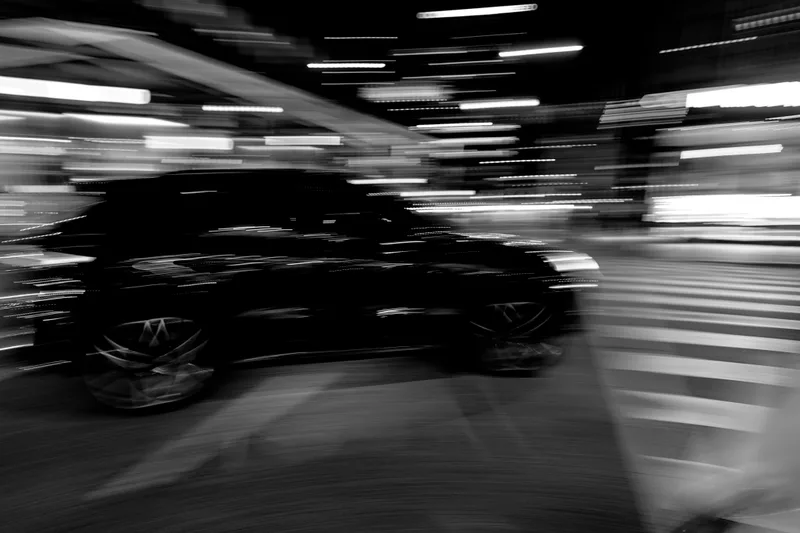
Here's the short answer: on a major-event night, Toronto event traffic getting to the airport can add 45 to 90 minutes to a trip that normally takes 30. So leave earlier than you think you need to, and ride with a chauffeur who already knows which streets are barricaded and how to route around them. Picture it plainly — when 50,000 people pour out of a stadium concert at the same moment your flight boards, every one of them is between you and your gate. Downtown Toronto packs its biggest venues into a few square kilometres right next to the two arteries most airport runs depend on: the Gardiner Expressway and the Don Valley Parkway. When an event lets out, those arteries seize. Below is a practical map of which events hit which corridors, and how to plan a departure that doesn't hinge on luck.
Why big-event nights are different from normal rush hour
Ordinary weekday congestion is predictable and it eases after 7 p.m. Event gridlock does the opposite — it builds in the evening and peaks exactly when people are trying to leave for late flights. The problem isn't only the crowd; it's the road closures that come with it. The City barricades streets around venues before doors open and keeps them shut until the crowd clears, so your usual on-ramp or cross-street may simply be unavailable.
Two things compound it. First, most downtown venues sit within a short walk of the Gardiner and its ramps, so foot traffic, rideshare pickups and transit surges all dump onto the same few blocks. Second, if the Gardiner backs up, drivers divert to Lake Shore Boulevard and the DVP — and those fill instantly. When several events land on the same night, which happens constantly in summer, the whole core can stay clogged for two to three hours.
- Closures start before the event, not after — ramps and cross-streets go down early
- Crowds exit all at once, so the worst spike is a tight 30-60 minute window
- One blocked artery pushes traffic onto the next, so gridlock spreads sideways
- GPS apps reroute everyone the same way, creating fresh jams on the detour
The downtown venues that cause the worst gridlock
Toronto concentrates its heavy hitters along the waterfront and lower downtown, right on top of the airport corridors. Knowing which venue is lit up tells you which streets to avoid.
Rogers Centre and Scotiabank Arena sit side by side near Bremner Boulevard and Bay Street — Blue Jays games, Leafs and Raptors playoff nights, and stadium concerts here choke Lake Shore, Bremner, York, Bay and the nearby Gardiner ramps. Budweiser Stage and the broader Exhibition Place grounds (plus BMO Field) push traffic onto Lake Shore West and the Gardiner's western on-ramps. TIFF is a different animal: it isn't one venue but a two-week takeover of the King Street West entertainment district and Roy Thomson Hall, with rolling closures and red-carpet crowds around King, John and Widmer. Coca-Cola Coliseum and History (on the east side) add pressure near the DVP's southern end.
- Rogers Centre / Scotiabank Arena — Bremner, Bay, York, Lake Shore, lower Gardiner ramps
- Budweiser Stage & Exhibition Place / BMO Field — Lake Shore West, western Gardiner ramps
- TIFF (Sept) — King West, John, Widmer, Roy Thomson Hall; rolling multi-day closures
- Massey Hall / Meridian Hall theatre district — Yonge, Front, Church cross-streets
- Coca-Cola Coliseum, History, east-end shows — feed congestion toward the DVP
Festivals and street closures that swallow whole corridors
Single-venue concerts are contained; festivals are not. Several Toronto events shut down entire streets or districts for a day or a weekend, and a chauffeur who doesn't track them can get boxed in with no quick way out.
The Toronto Caribbean Carnival (Caribana) parade takes over Lake Shore Boulevard along the Exhibition grounds — one of the most useful airport-run streets in the city — for a full day in late summer. Pride weekend closes a wide grid around Church and Wellesley in late June. Marathon and race days (spring and fall) close the waterfront and stretches of University and Lake Shore for the morning. And the Canadian National Exhibition through late August keeps Exhibition Place and Lake Shore West busy for more than two weeks straight.
- Caribana (late summer) — Lake Shore closed along Exhibition; plan a full detour
- Pride (late June) — Church-Wellesley grid shut; the Village is a no-go for pickups
- Marathons / races (spring & fall) — morning waterfront, University and Lake Shore closures
- The CNE (mid-Aug to Labour Day) — sustained load on Lake Shore West and Gardiner ramps
- New Year's Eve and Nathan Phillips Square events — core closures around Queen and Bay
How a chauffeur actually routes around it
The value of a professional driver on an event night isn't luxury — it's local knowledge and timing. A good chauffeur watches the event calendar the way a pilot watches weather, and builds the route backwards from your flight, not forwards from your door.
Practically, that means pre-positioning the vehicle before the crowd surge, choosing a pickup point a block or two off the closed grid so you're not waiting inside a barricade, and picking the artery that's still moving. If the Gardiner is seized, the play is often to run north to the DVP or take surface streets like Richmond and Adelaide out of the core before committing to a highway. On the way to Pearson, that usually feeds into the Gardiner-to-427 or up to the 401; for the east end it may mean the DVP to the 401 westbound. Live flight tracking matters here too — if your flight slips, the driver adjusts the departure rather than sitting in avoidable traffic.
- Pre-position the vehicle before the exit surge, not after it starts
- Meet the car just off the closed grid — walking a block beats a barricaded crawl
- Have a Gardiner-vs-DVP plan B ready before committing to a highway
- Use live flight tracking so the pickup time flexes with your actual departure
How much earlier should you leave?
Add a real cushion on event nights — not a token ten minutes. Our rule of thumb for downtown pickups when a major event is on:
These are buffers on top of your normal airport lead time, not instead of it. If your building is inside a closure (say, a King West condo during TIFF), plan to meet the car a short walk away on an open street — it's faster than watching it crawl toward a barricaded door.
- Normal night, downtown to Pearson: give yourself the usual airport lead time
- Single stadium concert or playoff game letting out near departure: add 45-60 minutes
- Multiple overlapping events or a festival closing Lake Shore: add 60-90 minutes
- Flight during the exact post-show exit window (roughly 10-11 p.m.): treat it as worst case
- When in doubt, leave one buffer earlier — a lounge is a better place to wait than the Gardiner
Get a flat quote and lock the plan in advance
Event nights are exactly when metered rides and surge pricing punish you most — long crawls and peak demand both drive the number up, and you find out at the end. A flat, upfront quote removes that risk: you agree the price before the trip, and traffic is our problem to route around, not your surcharge to absorb.
Book ahead so the vehicle can pre-position before the closures lock in. Tell us the event, and we'll factor the specific corridors into your pickup time and route. Get an instant flat quote at our booking tool, or for airport runs generally see our Toronto Airport Limo service and Pearson airport limo service pages. Departing from a downtown venue and back is a natural fit for hourly chauffeur service, and airport pickups include meet & greet inside arrivals with live flight tracking. Booking within three hours of pickup? Call us directly at (416) 200-5070 or toll-free 1-877-200-5070.
- Flat, all-in quote agreed upfront — no meter, no surge, HST included
- Book ahead so the car can pre-position before the streets close
- Airport pickups add meet & greet inside arrivals plus live flight tracking
- Within 3 hours of pickup, call (416) 200-5070 or 1-877-200-5070 instead of booking online
Frequently asked questions
How much extra time should I leave for the airport on a concert or game night in Toronto?
On top of your normal airport lead time, add about 45-60 minutes for a single stadium show or playoff game letting out near your departure, and 60-90 minutes if multiple events overlap or a festival has closed Lake Shore. The tightest window is the post-show exit, roughly 10-11 p.m. If you're unsure, leave one buffer earlier — waiting in a lounge beats waiting on the Gardiner.
Which Toronto events cause the worst traffic getting to Pearson?
The heaviest are stadium concerts and playoff nights at Rogers Centre and Scotiabank Arena, shows at Budweiser Stage and Exhibition Place, TIFF's two-week takeover of King West, and street festivals like Caribana that close Lake Shore Boulevard outright. All of them sit right on top of the Gardiner and DVP, the two arteries most airport runs rely on.
Can a chauffeur really get me to the airport faster during event gridlock?
A professional driver can't erase traffic, but tracking the event calendar, pre-positioning the vehicle before the crowd surge, meeting you off the closed grid, and choosing the artery that's still moving routinely saves the difference between making and missing a flight. Live flight tracking lets us adjust your departure if your flight time shifts.
Will event-night traffic cost me more than the quoted price?
No. Our quotes are flat and agreed upfront, with no meter and no surge — 13% HST and the card fee included. Long crawls through event traffic are our problem to route around, not an extra charge you absorb. For an exact number, get an instant quote or call us and we'll factor the specific closures into your pickup time.
Keep reading
 Seasonal
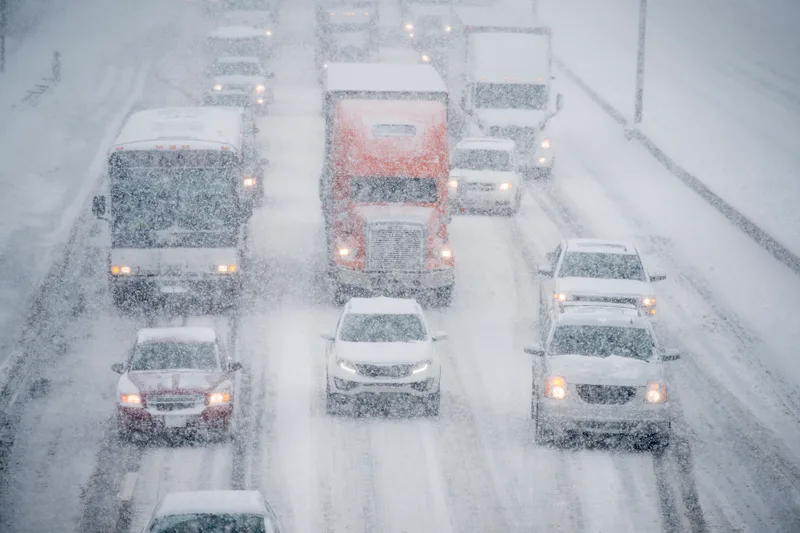
Winter Driving to Pearson from the Snow Belt: Squalls, Closures and the Leave-Earlier Math
Between Georgian Bay and Pearson sits some of the squalliest geography in southern Ontario. Here is how lake-effect snow actually behaves on the roads out of Collingwood, Wasaga Beach and Grey-Bruce, and how to build a departure time that survives it.
Read article Seasonal
The Cottage-Friday Problem: Flying Out of Pearson When Highway 400 Is Jammed
Summer Fridays turn Highway 400 into a slow parade of boat trailers, and somewhere in the middle of it is you, trying to make a flight. The timing windows, the pinch points that catch southbound traffic too, and what a fixed-price ride from cottage country costs.
Read article Seasonal
The March Break Flight Home: A Family Pickup Plan for Pearson
Families plan the March Break departure to the minute, then improvise the arrival. Here is the landing-day plan for coming home through a packed Pearson with exhausted kids: how the pickup tracks your flight, where the car seats come from, and what meet & greet buys you.
Read article
Ready when you are.
Get an upfront quote in under a minute — or call and we’ll sort it out for you.
Pickup within 3 hours? Call us — we’ll arrange it right away.